My Tech in USA 2026: The Ultimate Guide to Tech Websites, Tech Holidays, and Tech Building Trends
Technology in the United States is moving faster than ever, and 2026 is shaping up to be one of the most exciting years yet for anyone who follows “my tech” — the personal ecosystem of gadgets, apps, and digital habits that define how Americans work, learn, and relax. Whether you are a casual reader who wants to stay updated or a professional who depends on the best tech websites for daily news, this guide breaks down everything you need to know about the state of technology in the USA this year.
From the rise of smarter tech building projects across major cities to the growing trend of a “tech holiday” — a deliberate break from screens — 2026 is proving that technology is not just about hardware and software anymore. It is about lifestyle, balance, and how people choose to interact with the tools around them. Let’s dive deep into what is happening and why it matters.
Why “My Tech” Matters More Than Ever in 2026
The phrase “my tech” has become a personal identity marker. People no longer just own a phone or a laptop; they curate an entire digital environment tailored to their needs. In 2026, this personalization trend has reached new heights thanks to artificial intelligence, wearable devices, and smart home integration.
Americans are now managing their tech stack the way they manage their wardrobe — thoughtfully, intentionally, and with a focus on what actually adds value. This shift has pushed hardware manufacturers and software developers to design products that feel less generic and more custom-fit to individual lifestyles. From AI-powered assistants that learn your daily routine to smart wearables that track everything from sleep to productivity, “my tech” is no longer a buzzword; it is a lived reality for millions of people across the country.

This personalization also means that consumers are becoming more selective. They are less likely to buy a gadget just because it is popular, and more likely to research thoroughly before committing. That is exactly where tech websites come into the picture.
The Role of Tech Websites in Shaping Consumer Choices
With so many options flooding the market, tech websites have become the trusted middlemen between manufacturers and consumers. In 2026, the best tech websites are not just publishing reviews; they are creating in-depth buying guides, hosting video comparisons, and even running interactive tools that let users compare specifications side by side.
Here is what sets the top-performing tech websites apart this year:
- In-depth, unbiased reviews: Readers trust websites that test products for weeks, not days, before publishing a verdict.
- Video-first content: Written reviews are still valuable, but video breakdowns are becoming the preferred format for younger audiences.
- Community-driven insights: Comment sections, forums, and user-submitted reviews are shaping purchasing decisions more than ever.
- AI-powered recommendation engines: Many tech websites now use smart algorithms to recommend products based on a visitor’s browsing history and stated preferences.
- Transparency about sponsorships: Readers are more skeptical of paid content, so websites that clearly disclose partnerships are winning long-term trust.
For anyone trying to keep up with the latest developments in the USA, following two or three reliable tech websites is essential. These platforms not only cover product launches but also dive into broader topics like cybersecurity, data privacy, and the ethical implications of new technology — subjects that matter deeply to the average American consumer in 2026.
Tech Building: How Physical Infrastructure Is Catching Up
While software and personal gadgets often steal the spotlight, tech building — the physical infrastructure that supports the digital world — is quietly undergoing a massive transformation across the United States. Data centers, smart office complexes, and even residential buildings are being redesigned with technology at their core.
Smart Data Centers
The demand for AI processing power has led to a boom in data center construction. Companies are investing billions of dollars into tech building projects designed specifically to house the servers needed for machine learning and cloud computing. These facilities are being built with energy efficiency in mind, using renewable power sources and advanced cooling systems to reduce their environmental footprint.
Smart Offices and Campuses
Corporate tech building initiatives are also evolving. Major companies are constructing office campuses equipped with sensors that monitor air quality, occupancy, and energy usage in real time. Employees can adjust lighting and temperature through an app, and building managers can predict maintenance needs before a system actually fails. This proactive approach saves money and reduces downtime, which is a win for both businesses and the environment.
Residential Smart Buildings
On the residential side, new apartment complexes and housing developments are being built with integrated smart technology from the ground up, rather than retrofitted after construction. This includes keyless entry systems, integrated security cameras, and centralized hubs that let residents control everything from their thermostat to their front door lock using a single app.
Tech building is no longer a niche topic reserved for architects and engineers. It directly impacts everyday life, influencing everything from how much people pay for utilities to how safe they feel in their own homes. As more cities adopt smart infrastructure policies, tech building will continue to be a major storyline throughout 2026 and beyond.
The Rise of the Tech Holiday Movement
Perhaps the most surprising trend of 2026 is the growing popularity of the tech holiday — a conscious, planned break from digital devices. After years of screen fatigue, burnout, and constant notifications, many Americans are choosing to unplug, even if only for a weekend at a time.
A tech holiday can look different for everyone. For some, it means leaving their smartphone at home during a camping trip. For others, it means designating one day a week as a no-screen day for the entire family. Wellness retreats built entirely around the concept of a tech holiday have also grown in popularity, offering guests a chance to disconnect from email, social media, and streaming services in a structured environment.
Interestingly, this movement has not slowed down the tech industry — if anything, it has created a new market. Companies are now designing products specifically to support a tech holiday lifestyle, including:
- Lockboxes that temporarily disable smartphone access
- Minimalist “dumb phones” designed for calls and texts only
- Apps that gamify screen-time reduction
- Retreat centers with dedicated tech-free zones
This trend highlights an important shift in how Americans think about technology. It is no longer about having the newest gadget at all costs. Instead, people are asking deeper questions about balance, mental health, and what role technology should actually play in their daily lives.
How Tech Websites Are Covering the Tech Holiday Trend
Given the growing interest in digital wellness, many tech websites have started dedicating entire sections to mindful technology use. Instead of only reviewing the fastest laptop or the newest smartphone, these platforms are publishing guides on how to plan a successful tech holiday, which apps can help reduce screen time, and how families can create healthier digital habits together.
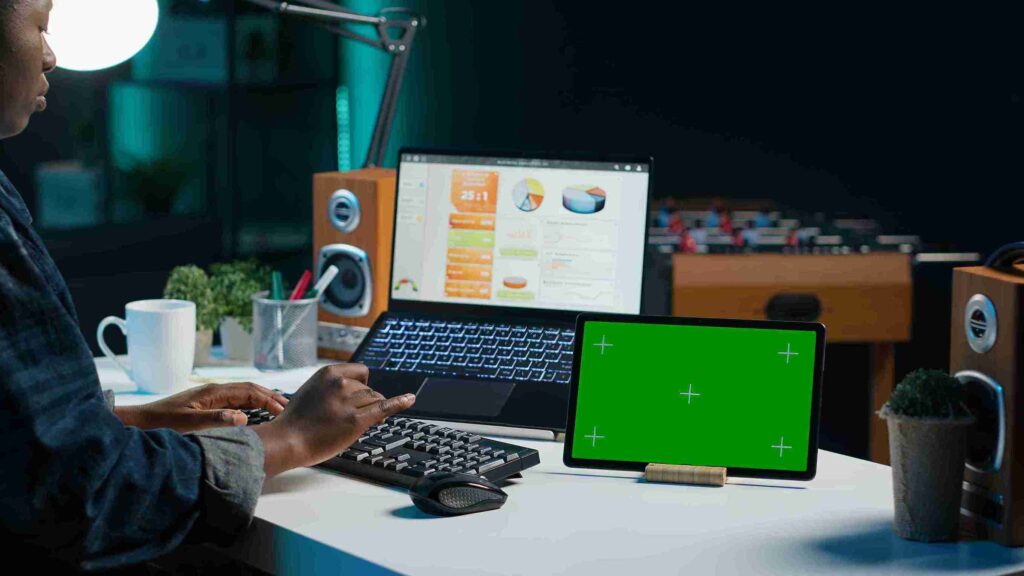
This is a notable shift in the identity of tech websites. They are evolving from purely product-focused platforms into holistic lifestyle resources that address the emotional and psychological side of technology use. This evolution mirrors what readers actually want: not just information about what to buy, but guidance on how to use technology in a way that improves their quality of life rather than detracting from it.
Top Tech Trends to Watch in the USA for the Rest of 2026
Beyond tech building and the tech holiday movement, several other trends are worth watching closely for the remainder of the year.
1. AI Integration in Everyday Devices Artificial intelligence is no longer confined to chatbots and search engines. It is now embedded in kitchen appliances, cars, and even children’s toys, making “my tech” smarter and more responsive than ever before.
2. Sustainable Tech Manufacturing Consumers are increasingly favoring brands that use recycled materials and ethical labor practices. This has pushed manufacturers to be more transparent about their supply chains.
3. 5G and Emerging 6G Testing While 5G is now standard across most of the country, early testing for 6G networks has begun in select cities, promising even faster speeds and lower latency for future devices.
4. Cybersecurity as a Consumer Priority With more devices connected to the internet than ever before, Americans are paying closer attention to data privacy, prompting tech websites to publish more security-focused content.
5. Hybrid Work Technology As hybrid work remains the norm for many industries, tools that support seamless collaboration between home and office continue to be a major focus for both software developers and tech building projects.
Choosing the Right Tech Websites to Follow in 2026
With so much information available, it can be overwhelming to figure out which tech websites deserve your attention. Here are a few tips to help you filter through the noise:
- Look for websites with a clear editorial process and named authors, not anonymous content farms.
- Check how often the site updates its content — technology moves fast, and stale information can be misleading.
- Pay attention to whether the website discloses affiliate links or sponsorships.
- Read the comment sections to see if the community trusts the site’s recommendations.
- Cross-reference major claims with at least one other reputable source before making a purchasing decision.
By following these guidelines, you can build a reliable rotation of tech websites that keep you informed without overwhelming you with clickbait or biased reviews.
Bringing It All Together: My Tech, Tech Building, and Tech Holiday in Harmony
What makes 2026 such an interesting year for technology in the USA is the way these three concepts — my tech, tech building, and tech holiday — are converging. Personal technology is becoming smarter and more customized. Physical infrastructure is catching up to support that technology in efficient, sustainable ways. And at the same time, more people are recognizing the importance of stepping away from screens to protect their mental well-being.
This balance is not a contradiction; it is a sign of a maturing relationship between people and technology. Americans are no longer simply consuming tech for the sake of novelty. They are making intentional choices about what they bring into their homes, how their cities are built, and when it is time to unplug.
For anyone trying to navigate this landscape, staying informed through trustworthy tech websites is the best way to keep up. Whether you are researching the latest smart home device, curious about tech building innovations in your city, or planning your next tech holiday getaway, 2026 offers no shortage of developments worth following.
Frequently Asked Questions
What does “my tech” actually mean in 2026?
It refers to the personalized collection of devices, apps, and digital habits that an individual relies on daily. Instead of using one-size-fits-all technology, people now curate their own ecosystem based on their specific needs, whether that is productivity, fitness, entertainment, or home automation.
Are tech websites still relevant with so much information on social media? Yes, arguably more than ever. Social media is great for quick takes, but tech websites still provide the long-form testing and detailed comparisons that help people buy with confidence. Many readers discover a product on social platforms, then turn to tech websites for the deeper review before purchasing.
Is tech building only relevant to big corporations?
Not anymore. While large companies are leading major data center and office campus projects, smaller developers are also incorporating smart technology into apartment buildings, retail spaces, and even single-family homes. Tech building has become mainstream rather than a luxury reserved for enterprise budgets.
How do I plan a successful tech holiday?
Start small. Choose a single day or even a few hours where you commit to no screens, and let friends or family know in advance so they are not expecting an immediate response. Many people find it helpful to physically place their phone in another room, use a lockbox, or replace scrolling habits with an offline activity like reading, walking, or cooking.
Will the tech holiday trend hurt the tech industry?
Unlikely. The movement has created new product categories focused on intentional use and digital wellness, and many companies now build features that help users manage screen time rather than fight against it.
Canclusion
Technology in the United States has never been more personal, more physical, or more mindful than it is in 2026. “My tech” reflects a generation that wants devices tailored to their lives, not the other way around. Tech building shows that the physical world is finally catching up with digital ambition, creating smarter, safer, and more efficient spaces to live and work. And the tech holiday movement proves that even in a hyper-connected society, people crave balance.
As the year progresses, keep an eye on reputable tech websites for the latest updates, reviews, and lifestyle guides. Staying informed is easier than ever, but the real skill in 2026 is knowing when to look up from the screen and enjoy the world that all this technology was designed to improve.
Pingback: Event Tech News 2026: How It's Merging with Sales Tech