
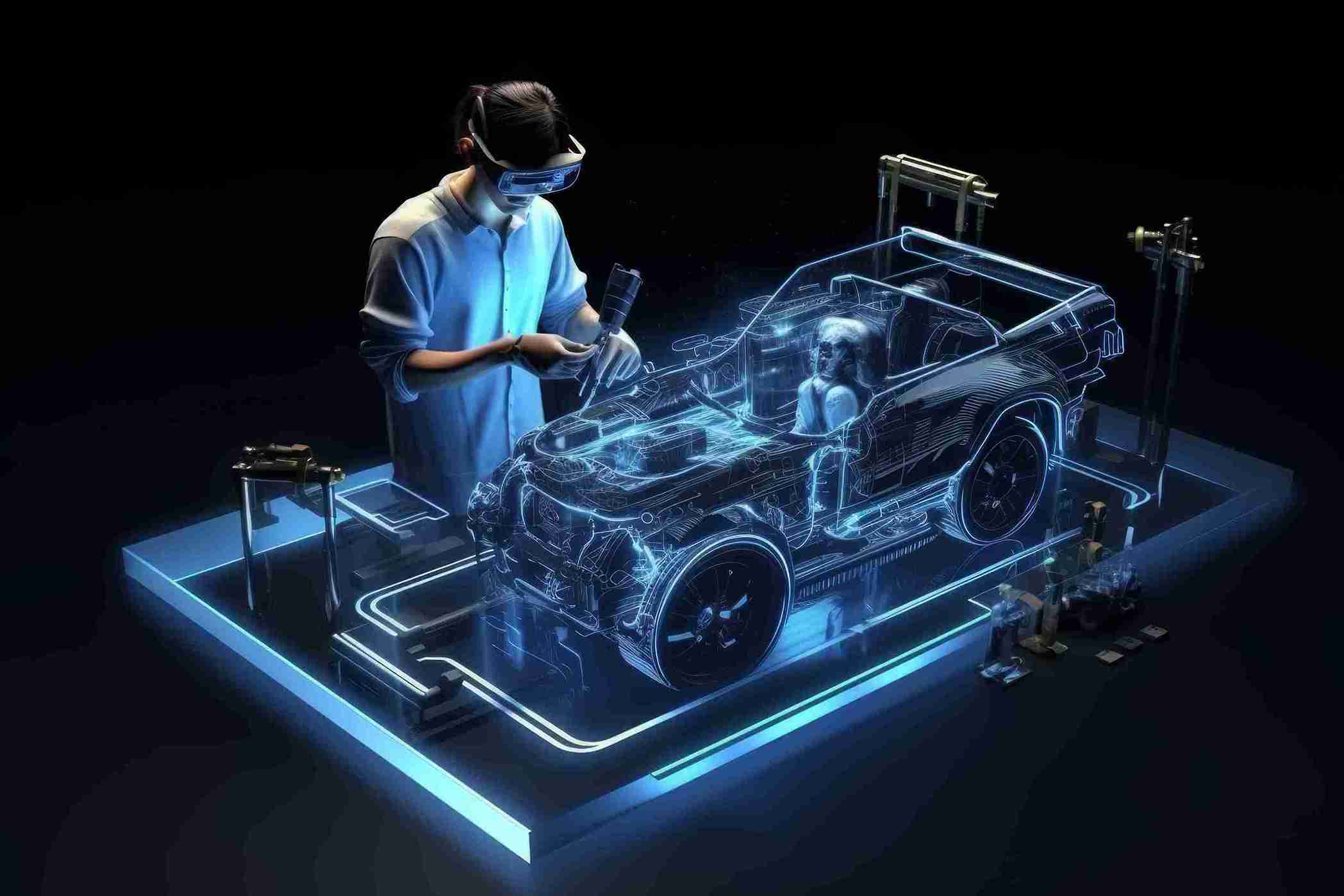
Advanced Automotive Technologies and Manufacturing: How Innovation Is Reshaping the Industry
The automotive industry today looks almost nothing like it did a decade ago. Cars are no longer just machines built to get people from one place to another — they are rolling computers, powered by software, sensors, and materials that didn’t exist in mainstream production even ten years back. This shift is being driven by two closely connected forces: advanced automotive technologies and advanced manufacturing technology. Together, they are redefining how vehicles are designed, built, and experienced by drivers around the world.
What makes this moment particularly interesting is how interconnected these changes really are. A breakthrough in materials science doesn’t mean much without the manufacturing precision to use it at scale, and a brilliant piece of autonomous driving software is only as good as the hardware and factory processes that bring it to life. That interdependence is really the story of the modern auto industry.
In this article, we’ll break down what these technologies actually mean, how they’re changing vehicle production on the factory floor, and where materials like advanced polymers fit into the picture. We’ll also take a look at which nations are leading this transformation and what challenges still lie ahead as the industry moves toward a smarter, more sustainable future.
What Are Advanced Automotive Technologies?
Advanced automotive technologies refer to the wide range of innovations being used to make vehicles safer, smarter, and more efficient. This isn’t limited to one single feature — it’s an umbrella term covering everything from the way a car senses its surroundings to how it communicates with other devices and systems.
Some of the most common examples include:
- Electric and hybrid powertrains that reduce dependence on fossil fuels
- Advanced Driver Assistance Systems (ADAS), such as lane-keeping assist, adaptive cruise control, and automatic emergency braking
- Autonomous and semi-autonomous driving systems that use cameras, radar, and LiDAR to interpret road conditions
- Connected car technology, allowing vehicles to sync with smartphones, cloud platforms, and even traffic infrastructure
- AI-powered diagnostics that predict maintenance issues before they become serious problems
For everyday drivers, these technologies mean fewer accidents, lower fuel costs, and a more convenient driving experience. For manufacturers, they represent a shift toward building vehicles that are as much about software as they are about hardware. This is exactly where advanced manufacturing technology becomes essential — because building a smarter car requires a smarter factory.
It’s also worth noting that these technologies rarely operate in isolation. A modern vehicle might combine adaptive cruise control with lane-keeping assist and real-time traffic data to essentially manage highway driving on its own for extended stretches. This layering of individual technologies into a cohesive system is what’s pushing the industry closer to full autonomy, even if that goal is still a few years away for most consumers.
The Role of Advanced Manufacturing Technology in the Auto Industry
You can’t build tomorrow’s cars using yesterday’s factories. That’s the core idea behind advanced manufacturing technology, which refers to the modern tools, processes, and systems used to produce vehicles with greater speed, precision, and consistency.
A few key components are driving this transformation:
Robotics and automation have moved far beyond simple assembly-line tasks. Today’s manufacturing robots can handle intricate welding, precise painting, and complex part assembly with a level of accuracy that human hands simply can’t match at scale. This reduces errors and speeds up production without compromising quality.
3D printing and additive manufacturing are changing how prototypes and even certain vehicle parts are made. Instead of waiting weeks for a traditionally manufactured component, engineers can now print a functional prototype in a matter of hours, testing and refining designs much faster than before.
Smart factories powered by the Internet of Things (IoT) are perhaps the most significant shift. Sensors placed throughout the production line collect real-time data on everything from machine performance to material quality. This data allows manufacturers to catch problems early, optimize workflows, and reduce downtime — something that was nearly impossible with older manufacturing setups.
The result of all this is a manufacturing ecosystem that isn’t just faster, but more adaptive. Factories can now adjust production in real time based on demand, quality checks, or even supply chain disruptions, making the entire process far more resilient.
Digital twin technology is another development worth mentioning here. Manufacturers can now create a virtual replica of an entire production line, allowing engineers to simulate changes, test new equipment configurations, or troubleshoot bottlenecks before touching the physical factory floor. This reduces costly downtime and lets teams experiment with improvements in a risk-free digital environment first.
Advanced Polymer Technology: The Materials Revolution
While a lot of attention goes to software and automation, materials science is quietly playing an equally important role in shaping modern vehicles. This is where advanced polymer technology comes in.
For decades, cars were built primarily with metal — steel and aluminum dominated vehicle frames and body panels. But as automakers push for better fuel efficiency and lower emissions, lightweight materials have become a priority. Advanced polymers, including high-performance plastics and composite materials, are increasingly replacing metal components in places where strength isn’t compromised by the switch.

Here’s where these materials are making the biggest impact:
- Interior components, such as dashboards, panels, and trim, where polymers offer durability along with design flexibility
- Body panels, where lightweight composites help reduce overall vehicle weight without sacrificing structural integrity
- Battery housings in electric vehicles, where polymers provide insulation, impact resistance, and weight savings — all critical for EV performance
The benefits go beyond just weight reduction. Polymers are often more resistant to corrosion than metal, easier to mold into complex shapes, and in many cases, more cost-effective to produce at scale. This makes them a natural fit for the kind of high-volume, precision manufacturing that modern auto plants rely on. In many ways, polymer innovation sits right at the intersection of advanced automotive technologies and advanced manufacturing technology — a material breakthrough that only becomes useful when paired with the production techniques capable of using it effectively.
Key Innovations Driving Change
To really understand where the automotive industry is headed, it helps to look at a few specific areas of innovation that are having an outsized impact.
Electric and Hybrid Powertrains
The shift toward electrification isn’t slowing down. Battery technology continues to improve, offering longer ranges and faster charging times. Hybrid systems, meanwhile, serve as a bridge for markets and drivers not yet ready to go fully electric, combining traditional engines with electric assistance for better fuel economy.
Autonomous and Semi-Autonomous Systems
Fully self-driving cars are still being refined, but semi-autonomous features are already mainstream. Systems that handle parking, highway driving, and collision avoidance are becoming standard in many new vehicles, gradually building consumer trust in higher levels of automation.
AI and Machine Learning in Vehicle Design
Artificial intelligence isn’t just used inside the car — it’s also transforming how vehicles are designed in the first place. Engineers now use AI-driven simulations to test crash safety, aerodynamics, and material performance long before a physical prototype is built, cutting down both time and cost.
Sustainable and Smart Manufacturing Practices
Sustainability has become a core focus, not just an afterthought. Manufacturers are investing in energy-efficient production lines, recyclable materials, and waste-reduction processes. Smart manufacturing systems help track and minimize resource use across the entire production cycle, aligning environmental goals with operational efficiency.
Which Countries Are Leading This Shift?
When people talk about the most technologically advanced country in the context of automotive and manufacturing innovation, a handful of nations consistently come up.
Japan has long been a leader in automotive engineering, known for pioneering hybrid technology and maintaining some of the most efficient manufacturing systems in the world. Companies here have set benchmarks for precision manufacturing that other countries still reference today.
Germany remains a powerhouse in both automotive design and industrial engineering. Its manufacturing sector is deeply invested in robotics and automation, and German automakers continue to push boundaries in vehicle safety and performance technology.
South Korea has rapidly emerged as a major player, particularly in electric vehicle production and battery technology. Its manufacturing infrastructure is heavily focused on innovation, supported by strong government investment in tech-driven industries.
The United States continues to lead in software integration, autonomous vehicle research, and AI-driven manufacturing processes, with several companies pushing the boundaries of what connected and self-driving cars can do.
What’s interesting is that no single country dominates every aspect. Instead, global collaboration — through shared supply chains, joint ventures, and cross-border research — is what’s really accelerating progress across the industry as a whole.
Benefits of Advanced Automotive and Manufacturing Technologies
The push toward smarter vehicles and smarter factories isn’t just about staying competitive — it delivers real, measurable benefits.
Efficiency improves across the board, from faster production times to vehicles that use fuel or battery power more effectively. Safety is enhanced through better materials, more responsive driver assistance systems, and manufacturing precision that reduces the risk of defects. Cost savings eventually trickle down to consumers as production becomes more streamlined and materials like advanced polymers reduce manufacturing expenses. And from an environmental standpoint, lighter vehicles, cleaner powertrains, and more sustainable manufacturing practices all contribute to a smaller overall carbon footprint.
For consumers, all of this translates into vehicles that are safer, more affordable to maintain, and better aligned with long-term sustainability goals. Even something as simple as predictive maintenance — where a vehicle’s onboard systems flag a potential issue before it becomes a breakdown — saves drivers time, money, and unnecessary stress down the road.
Challenges and Future Outlook
Despite the progress, this transformation isn’t without its obstacles. The cost of implementing advanced manufacturing technology remains high, especially for smaller manufacturers trying to compete with larger, well-funded companies. Workforce reskilling is another major hurdle — as factories become more automated, workers need new skill sets to manage and maintain these advanced systems, which requires significant investment in training and education.
Supply chain complexity has also become a growing concern, particularly as manufacturers rely on specialized materials and components sourced from multiple countries. Disruptions in one part of the world can quickly ripple through global production lines. Semiconductor shortages in recent years offered a clear example of how a single bottleneck in a global supply chain can stall production across dozens of manufacturers at once, regardless of how advanced their own factories might be.
Regulatory uncertainty adds another layer of complexity, especially around autonomous vehicle technology. Different countries and even different states or regions within the same country often have varying rules about testing and deploying self-driving systems, which can slow down adoption even when the technology itself is ready.
Looking ahead, the future points toward even deeper integration between AI, robotics, and materials science. Expect to see more AI-integrated factories capable of near-autonomous operation, next-generation polymers with even better performance characteristics, and continued progress toward fully autonomous vehicles becoming a practical, everyday reality rather than a futuristic concept.
Frequently Asked Questions
What is advanced automotive technology? Advanced automotive technology refers to the modern systems and innovations used to make vehicles safer, more efficient, and smarter — including electric powertrains, driver assistance systems, autonomous driving features, and connected car technology.
How is advanced manufacturing technology used in car production? It’s used to streamline and improve vehicle manufacturing through robotics, automation, 3D printing, and smart factory systems powered by IoT sensors. These tools help manufacturers produce vehicles faster, with greater precision and fewer errors.
What are examples of advanced polymer technology in vehicles? Advanced polymers are commonly used in dashboards, interior trim, body panels, and battery housings for electric vehicles. They offer a lightweight, durable, and cost-effective alternative to traditional metal components.
Which country is considered the most technologically advanced in automotive manufacturing? There isn’t a single answer, as different countries lead in different areas. Japan and Germany are known for manufacturing precision, South Korea leads in EV and battery innovation, and the United States is at the forefront of AI and autonomous vehicle technology.
Will autonomous vehicles become mainstream soon? Semi-autonomous features are already common in many new vehicles today. Fully autonomous cars are still being tested and refined, and while mainstream adoption is likely in the coming years, it will depend on regulatory approval, safety validation, and public trust.
Conclusion
Advanced automotive technologies and advanced manufacturing technology are no longer separate conversations — they’re deeply intertwined, each pushing the other forward. From AI-driven design and smart factories to lightweight polymers replacing traditional materials, the entire process of building a car has been reimagined from the ground up. As countries around the world continue to invest in innovation, the vehicles of the near future will be safer, more sustainable, and more intelligent than anything on the road today. Staying informed about these shifts isn’t just useful for industry professionals — it’s a glimpse into how transportation itself is being redefined.