
What Is a UAV Drone? A Complete Beginner’s Guide
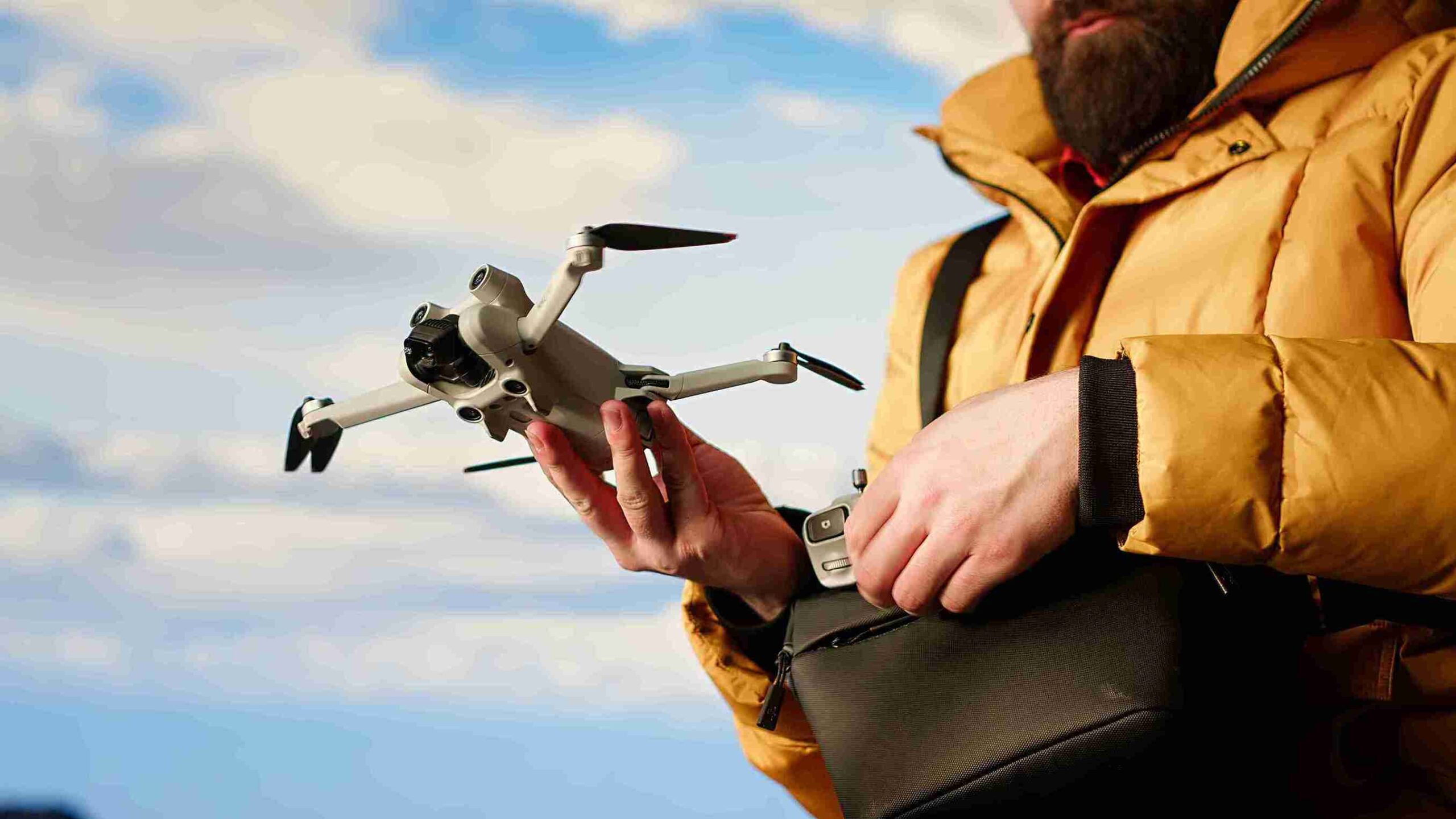
Have you ever seen a small flying machine buzzing over a farm, a wedding, or a construction site with no pilot in sight? That’s a UAV drone in action. UAV stands for Unmanned Aerial Vehicle, which is just a fancy way of saying a flying machine that has no person sitting inside it. Instead, someone controls it from the ground, or it flies on its own using a built-in computer.
You’ve probably heard the word “drone” a lot more than “UAV,” but they mean the same thing. Drones started out as military tools, but today you’ll find them almost everywhere. People use them to take photos, shoot videos, check on crops, deliver packages, and even race them for fun.
There are also different kinds of drones built for different jobs. One popular type is the FPV drone, which lets the pilot see exactly what the drone sees through a live video feed. We’ll get into what that means a bit later.
In this guide, we’ll break down what a UAV drone really is, how it works, and the different types you should know about.
What Does UAV Stand For?
UAV stands for Unmanned Aerial Vehicle. Let’s break that down word by word:
- Unmanned means no human is on board.
- Aerial means it flies in the air.
- Vehicle means it’s a machine used to travel or carry something.
So put simply, a UAV is any flying machine that doesn’t need a pilot sitting inside it. Most people just call it a drone, and honestly, that word is easier to say. Some experts use “UAV” in technical or official settings, like government reports or aviation rules, while “drone” is the everyday word people use in normal conversation. But at the end of the day, they’re talking about the same thing.
What Is a UAV Drone? (Core Definition)
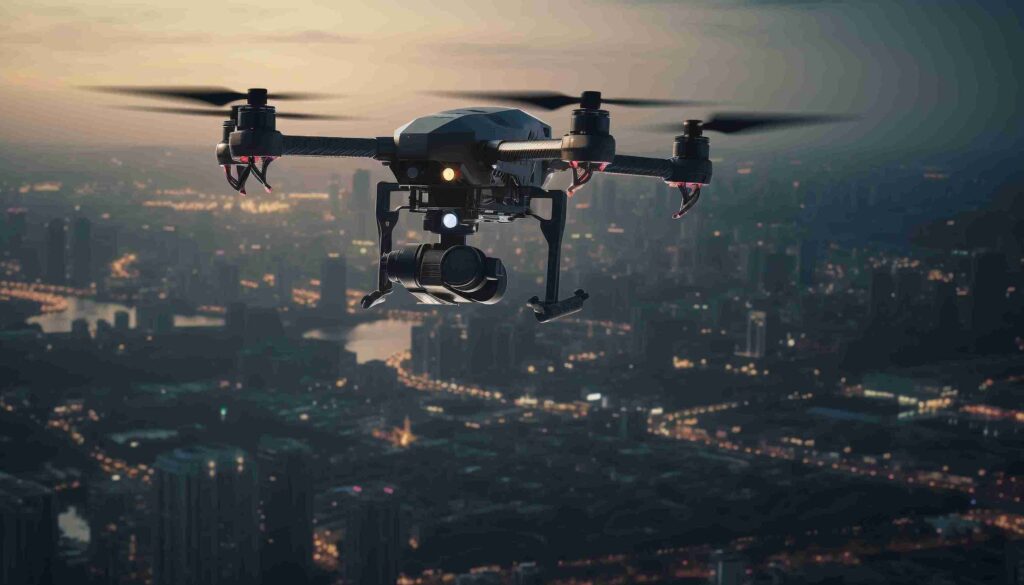
A UAV drone is a flying machine that is controlled either by a person on the ground using a remote, or by a computer program that tells it where to fly. It has no pilot inside it, which is exactly what makes it “unmanned.”
Some drones are small enough to fit in your hand. Others are as big as a small airplane and are used by the military. No matter the size, they all share a few common traits:
- They fly without a human on board.
- They can be controlled remotely or fly on autopilot.
- They often carry a camera or other tools to collect information.
UAV vs. Manned Aircraft
The biggest difference between a UAV and a regular airplane is simple: a manned aircraft has a pilot inside it, while a UAV does not. A pilot flying a plane sits in the cockpit and controls everything directly. A drone pilot, on the other hand, usually stands on the ground and controls the drone using a remote control or a computer screen.
This difference matters a lot. Since there’s no person inside a UAV, it can be much smaller, lighter, and cheaper to build. It can also fly into places that would be too risky for a human pilot, like a collapsing building or a stormy sky.
How Does a UAV Drone Work?
At first, a drone might seem like magic. But once you understand the basic parts, it’s actually pretty simple.
Core Components
Every UAV drone is built from a few key parts:
- Motors and propellers – these spin fast to lift the drone off the ground and keep it flying.
- Flight controller – this is like the drone’s brain. It’s a small computer that keeps the drone stable and balanced in the air.
- GPS – this helps the drone know exactly where it is and where it needs to go.
- Battery – this powers everything. Most drones can fly anywhere from 15 to 40 minutes before needing a recharge.
- Camera or sensors – many drones carry a camera to take photos or videos, while others carry sensors to collect other kinds of data, like temperature or distance.
Control Methods
There are a few different ways to control a UAV drone:
- Remote control – the pilot uses a handheld controller to move the drone in real time.
- GPS and autopilot – the drone follows a route that’s already been set using GPS coordinates, flying on its own without much human input.
- Pre-programmed flight paths – some drones are given a full flight plan in advance, so they can complete a task, like mapping a farm, all by themselves.
The Role of Sensors and Cameras
Cameras and sensors are what make drones so useful. A camera lets you see and record what’s below, which is great for photography, filming, or checking on a building’s roof. Sensors can go a step further, gathering data like heat levels, gas leaks, or exact measurements of land. This is why drones aren’t just toys, they’re powerful tools for real work.
Types of UAV Drones
Not all drones are built the same way. Here are the main types you’ll come across.
Multi-Rotor Drones
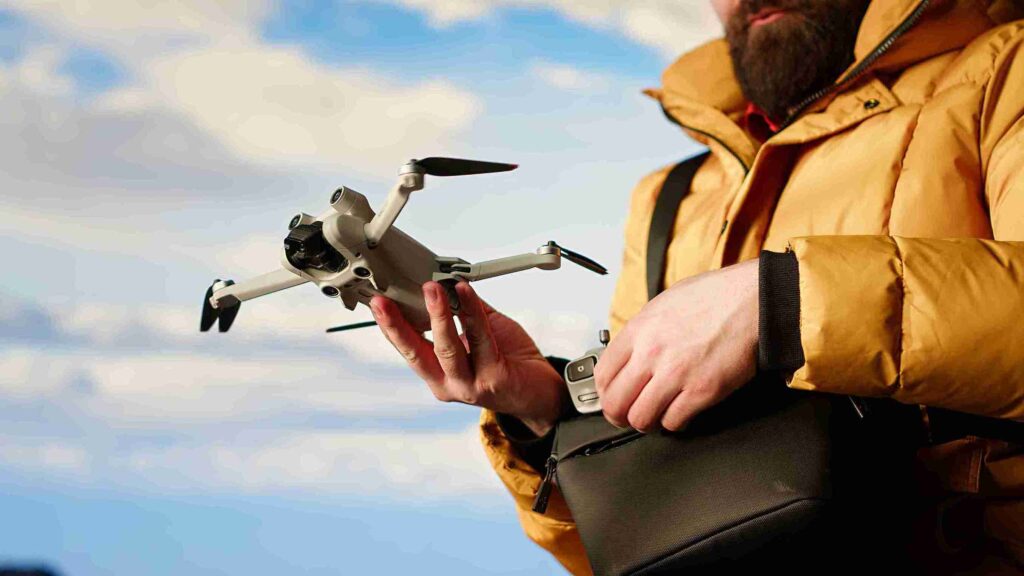
These are the most common type of drone you’ll see. They have multiple propellers, usually four (called a quadcopter), six, or eight. Multi-rotor drones are easy to fly, can hover in place, and are great for photography and video. Most drones you see online or at a store fall into this category.
Fixed-Wing Drones
Fixed-wing drones look more like small airplanes. Instead of hovering, they need to keep moving forward to stay in the air, just like a regular plane. They can fly longer distances and stay in the air much longer than multi-rotor drones, which makes them useful for mapping large areas or long-distance deliveries.
Single-Rotor Drones
These look like tiny helicopters, with one large rotor on top. They’re more complex to fly than multi-rotor drones but can carry heavier loads and fly for longer periods. They’re often used for serious jobs like agricultural spraying.
Hybrid VTOL Drones
VTOL stands for Vertical Take-Off and Landing. These drones combine the best of both worlds: they can take off and land straight up and down like a multi-rotor drone, but once in the air, they fly forward like a fixed-wing drone. This makes them efficient and flexible for bigger jobs.
FPV Drones
FPV drones are a special type worth knowing about, especially if you’re getting into drone racing or freestyle flying.
What is FPV? FPV stands for First Person View. Instead of watching the drone fly from the ground, the pilot wears a headset with a screen inside, almost like goggles, and sees exactly what the drone’s camera sees, live, in real time.
FPV meaning, in simple terms, is flying “through the drone’s eyes” rather than watching it from a distance. It feels like you’re actually inside the drone as it zips through the air.
FPV drone definition: an FPV drone is a drone built for this kind of live, first-person flying experience. Unlike a standard camera drone that mostly flies on autopilot and hovers steadily, an FPV drone is usually flown manually, by hand, and is built for speed, sharp turns, and tricky stunts. This is why FPV drones are so popular in racing and freestyle flying, where pilots need fast reactions and full control.
What Are UAV Drones Used For?
Drones have gone from a niche hobby to a tool used in almost every industry. Here’s a look at the biggest uses.
Recreational Use
Many people fly drones simply for fun. This includes photography, casual flying, and FPV racing or freestyle flying, where pilots compete to fly through obstacle courses or perform tricks in the air.
Commercial Use
Businesses use drones for all kinds of tasks. Real estate agents use them for aerial property shots. Filmmakers use them to get cinematic shots that used to require expensive helicopters. Some companies are testing drones for package delivery, and others use them to inspect tall structures like cell towers or bridges.
Agricultural Use
Farmers use drones to keep an eye on large fields without having to walk every inch of land. Drones can monitor crop health, check for pests, and even spray fertilizer or pesticides more precisely than traditional methods.
Military & Defense Use
This is where drones first became popular. Military UAVs are used for surveillance, gathering information, and in some cases, carrying out missions that would be too dangerous for a manned aircraft.
Government & Public Safety
Drones also play a big role in keeping people safe. They’re used in search and rescue missions to find people in hard-to-reach areas, and in disaster response to assess damage after events like floods, fires, or earthquakes, often faster and more safely than sending in a human team.
UAV Drone Classifications by Size and Weight
Drones also get grouped by how big or heavy they are. Here’s a simple breakdown:
| Classification | Weight Range | Common Use |
| Nano | Under 250g | Toys, indoor flying |
| Micro | 250g – 2kg | Photography, hobby flying |
| Small | 2kg – 25kg | Commercial and recreational use |
| Medium | 25kg – 150kg | Agriculture, surveying |
| Large | Over 150kg | Military, cargo transport |
Are UAV Drones Legal?
In most countries, yes, flying a drone is legal, but there are rules you need to follow. For example, in the United States, many drones need to be registered with the Federal Aviation Administration (FAA) before you fly them. There are also rules about how high you can fly, staying away from airports, and avoiding “no-fly zones” like military bases or government buildings.
Rules can differ depending on where you live and whether you’re flying for fun or business. Always check your local laws before flying, since this article is meant to give a general idea, not legal advice.
Benefits and Limitations of UAV Drones
Like any technology, drones come with real advantages, as well as a few downsides.
Key Advantages
- They can reach places that are hard or dangerous for humans to get to.
- They save time and money compared to traditional methods, like hiring a helicopter.
- They can collect useful data quickly, such as photos, videos, or measurements.
- They’re becoming more affordable, so more people can use them.
Common Challenges
- Battery life is still limited, so most drones can only fly for a short time before needing a recharge.
- Weather can be a problem. Strong wind or rain can make flying difficult or unsafe.
- Rules and regulations can be confusing and vary a lot depending on location.
UAV Drone vs. FPV Drone: What’s the Difference?
Since FPV drones are a type of UAV drone, it helps to see them side by side.
| Feature | Standard UAV Drone | FPV Drone |
| Control method | Often autopilot or GPS-assisted | Fully manual, hands-on flying |
| Camera view | Watched from a screen or ground view | Live first-person view through goggles |
| Skill level | Beginner-friendly | Requires more practice and skill |
| Common use | Photography, mapping, delivery | Racing, freestyle, stunts |
Basically, all FPV drones are UAV drones, but not all UAV drones are FPV drones. The “FPV” part just describes how the pilot sees and controls the flight.
How to Choose the Right UAV Drone
If you’re thinking about getting your own drone, keep these things in mind:
- Purpose – Are you flying for photography, fun, work, or racing?
- Skill level – Beginners usually do better starting with an easy-to-fly, stable drone rather than jumping straight into FPV.
- Budget – Drones range from cheap toy versions to expensive professional models.
- Flight range and battery life – Think about how far and how long you actually need to fly.
Frequently Asked Questions
Is a UAV the same as a drone?
Yes. UAV is the technical term for Unmanned Aerial Vehicle, while “drone” is the everyday word people use for the same thing.
What is the difference between a drone and an FPV drone?
A regular drone is often flown using autopilot or GPS and viewed from the ground, while an FPV drone is flown manually using a live, first-person video feed through goggles.
What does FPV mean in drones?
FPV stands for First Person View. It means the pilot sees exactly what the drone’s camera sees in real time, instead of watching the drone fly from a distance.
Do you need a license to fly a UAV drone?
In many countries, yes, especially for commercial use. Recreational flying often just requires registration, depending on the drone’s size and local laws.
How high can a UAV drone fly?
This depends on local regulations, but many countries set a limit around 400 feet for recreational drones to keep them safely away from airplanes.
Conclusion
A UAV drone is simply a flying machine without a pilot on board, controlled either remotely or by a built-in computer. From tiny toy drones to massive military aircraft, UAVs come in many shapes and sizes, each built for a different job. Whether it’s a standard camera drone used for photography or an FPV drone built for high-speed racing, drones have become an important part of how we work, play, and even keep people safe.
If you’re curious about getting into flying, understanding the basics you just learned is the perfect first step.