Conformal Coating: A Complete Guide to Acrylic Conformal Coating and Its Role in Electronics Protection
Electronic circuit boards are the backbone of almost every device we use today, from smartphones and industrial machines to medical equipment and automobiles. These boards are exposed to moisture, dust, chemicals, temperature swings, and mechanical stress on a daily basis. Without proper protection, even a small amount of exposure can lead to corrosion, short circuits, or complete failure. This is where conformal coating comes into play. In this article, we will explore what conformal coating is, why acrylic conformal coating is one of the most popular choices in the industry, and how adhesive bonding and proper application techniques contribute to long-lasting protection for printed circuit boards (PCBs).
What Is Conformal Coating?
Conformal coating is a thin protective layer of polymeric material that is applied to printed circuit boards and electronic assemblies. The term “conformal” refers to the way the coating conforms to the shape of the board, following every contour, component, and solder joint without altering the physical dimensions significantly. This thin film, usually measured in microns, acts as a barrier against environmental hazards such as humidity, dust, chemical exposure, temperature fluctuations, and even fungal growth.
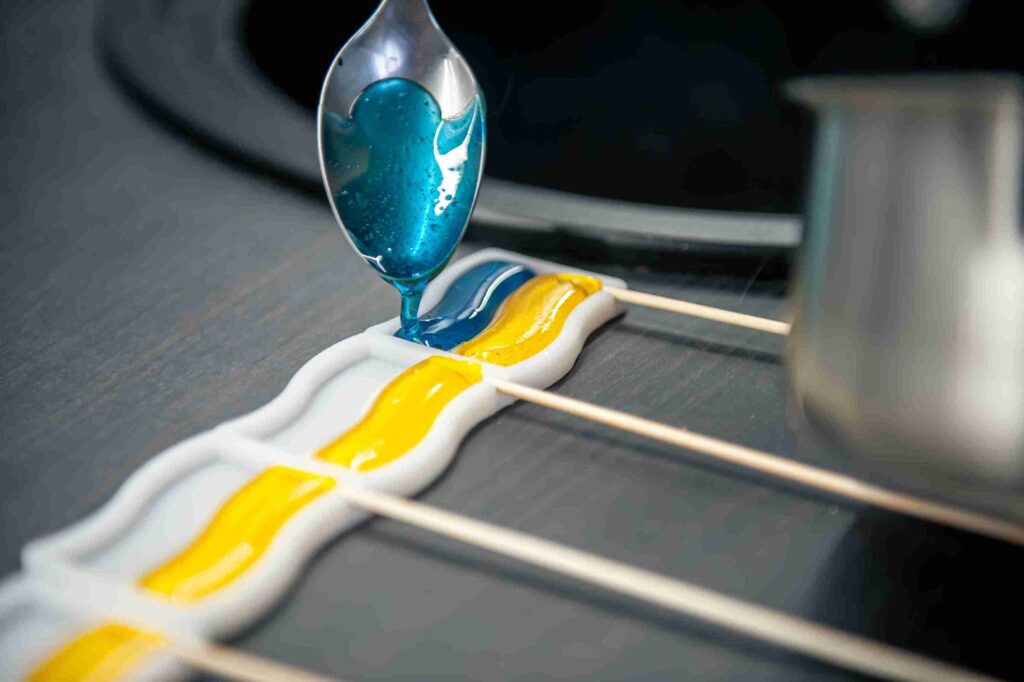
Unlike potting or encapsulation, which involves fully submerging a component in a thick resin, conformal coating is applied in a much thinner layer, typically between 25 and 250 microns. This makes it lightweight, cost-effective, and suitable for applications where space and weight are a concern.
The primary purpose of conformal coating is to extend the lifespan of electronic assemblies by protecting them from:
- Moisture and humidity
- Dust and airborne contaminants
- Chemical spills and corrosive gases
- Temperature extremes
- Vibration and mechanical stress
- Fungus and mold growth in tropical climates
Industries such as aerospace, automotive, telecommunications, medical devices, and consumer electronics rely heavily on conformal coatings to ensure their products perform reliably under harsh operating conditions.
Why Conformal Coating Matters for Modern Electronics
As electronic devices become smaller and more densely packed, the risk of failure due to environmental exposure increases significantly. A single drop of condensation on an uncoated board can create a conductive path between two closely spaced traces, leading to a short circuit. In industrial environments, exposure to oils, solvents, and airborne particulates can degrade solder joints and component leads over time.
Conformal coating provides a dielectric barrier that prevents these issues while also offering mechanical support to components, reducing the risk of damage from vibration or physical shock. This is particularly important in applications like automotive electronics, where boards are subjected to constant vibration, or aerospace systems, where equipment must function reliably at extreme altitudes and temperatures.
Types of Conformal Coating Materials
Before diving deeper into acrylic conformal coating, it is worth understanding the broader category of coating materials available in the market. Each type has distinct properties suited to different applications.
1. Acrylic Conformal Coating
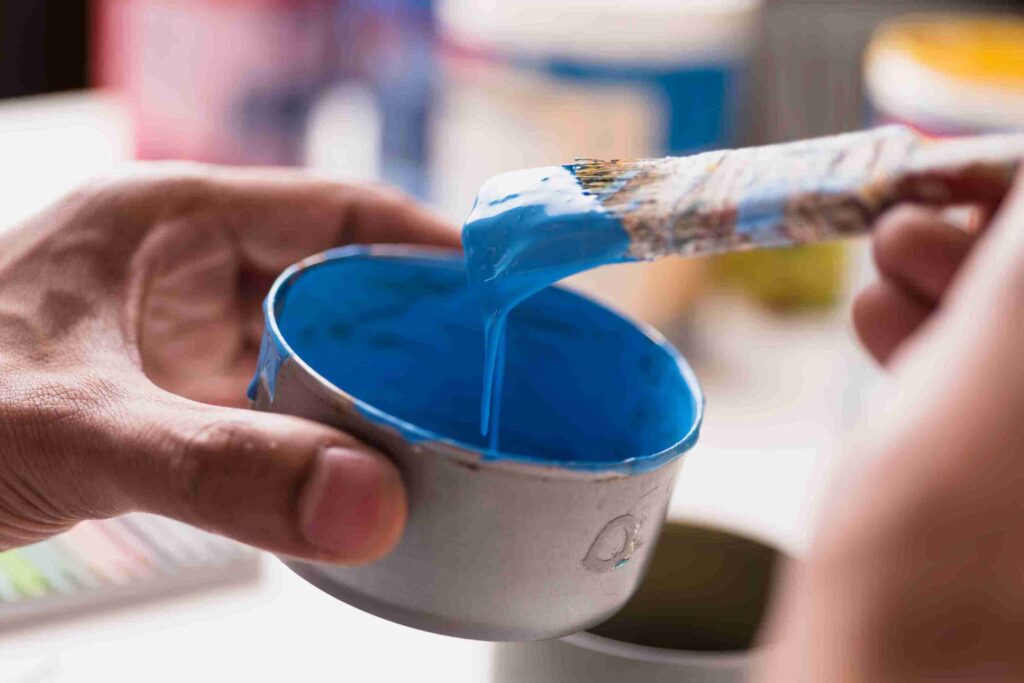
Acrylic resins are among the most widely used conformal coating materials due to their ease of application, fast drying time, and excellent moisture resistance. They are also relatively easy to remove for rework, which makes them a favorite among manufacturers who need to repair or modify boards after coating.
2. Silicone Conformal Coating
Silicone coatings offer excellent flexibility and withstand extreme temperature ranges, making them ideal for high-heat applications, though they are harder to rework than acrylic coatings.
3. Urethane Conformal Coating
Urethane coatings provide superior chemical and abrasion resistance for harsh industrial environments, but typically require specialized solvents for rework.
4. Epoxy Conformal Coating
Epoxy coatings are known for their hardness and resistance to abrasion and chemicals. They form a rigid protective layer but can be brittle and difficult to rework once cured.
5. Parylene Conformal Coating
Parylene is applied through vapor deposition, producing an extremely thin, uniform coating with outstanding barrier properties. It is common in medical devices and high-reliability applications, though it requires specialized equipment to apply.
Acrylic Conformal Coating: A Closer Look
Among all these options, acrylic conformal coating stands out as one of the most commonly specified materials for general-purpose electronic protection. Let’s examine why it continues to be a preferred choice across industries.
Ease of Application
Acrylic conformal coatings can be applied using multiple methods, including spraying, brushing, dipping, or selective coating equipment. This versatility makes them accessible to manufacturers of all sizes, from small workshops to large-scale automated production lines.
Fast Curing Time
One of the biggest advantages of acrylic coatings is their relatively quick drying and curing process. Most acrylic formulations cure at room temperature within a matter of hours, though UV-curable variants can cure in seconds under proper lighting conditions. This speeds up production timelines significantly compared to other coating types that may require extended curing periods or elevated temperatures.
Reworkability
Perhaps the most valued characteristic of acrylic conformal coating is how easily it can be removed for repair or component replacement. Technicians can typically dissolve the coating using common solvents, allowing for localized rework without damaging surrounding components. This is a major advantage in industries where boards may need frequent testing, modification, or repair.
Moisture and UV Resistance
Acrylic coatings provide solid protection against moisture ingress and are generally resistant to UV degradation, which helps maintain the coating’s protective properties even when exposed to sunlight over extended periods.
Cost-Effectiveness
Compared to specialized coatings like parylene, acrylic formulations are generally more affordable, both in terms of material cost and the equipment required for application. This makes acrylic conformal coating an attractive option for high-volume manufacturing where cost control is essential.
Limitations to Consider
While acrylic conformal coating offers many benefits, it does have some limitations. It generally provides less resistance to solvents and harsh chemicals compared to urethane or epoxy coatings. It also tends to have lower abrasion resistance, meaning it may not be the best choice for applications involving significant physical contact or friction.
The Role of Adhesive Bonding in Conformal Coating Performance
Adhesive bonding plays a critical role in how effectively a conformal coating performs over the lifetime of an electronic assembly. The coating must adhere properly to the substrate, solder joints, and component surfaces to form a continuous, unbroken barrier. Poor adhesion can lead to delamination, bubbling, or gaps in coverage, all of which compromise the protective function of the coating.
Several factors influence adhesive bonding quality:
Surface Preparation: Boards must be thoroughly cleaned before coating. Flux residue, oils, or contaminants left on the surface can prevent proper bonding and cause premature failure.
Compatibility with Substrate Materials: Coating chemistries bond differently with different substrates, solder masks, and component packages, so choosing a compatible formulation is essential for long-term adhesion.
Application Technique: Uneven application can cause inconsistent film thickness and weak bonding in spots. Automated selective coating systems help achieve more uniform adhesion.
Curing Conditions: Proper curing, whether by air drying, heat, or UV exposure, allows the polymer chains to fully cross-link, resulting in stronger adhesion and better mechanical properties.
When adhesive bonding is optimized, the conformal coating forms a robust, long-lasting barrier that protects the board throughout its operational life, even under demanding environmental conditions.
Application Methods for Conformal Coating
Manufacturers have several options when it comes to applying conformal coatings, and the choice often depends on production volume, board complexity, and budget.
Spray Coating is one of the most common methods, suitable for both manual and automated processes, offering relatively even coverage that scales well for high-volume production.
Dip Coating submerges boards into a bath of coating material, ensuring thorough coverage of hard-to-reach areas, though it requires careful masking of connectors and other components.
Brush Application is typically used for small-batch production, prototyping, or touch-up work. It offers precise control but is labor-intensive and less consistent than automated methods.
Selective Coating systems use programmable robotic dispensers to apply material only to specific areas, avoiding connectors and test points. This offers excellent precision and repeatability for complex, high-value assemblies.
Industries That Rely on Conformal Coating
Conformal coating, particularly acrylic conformal coating, is used across a wide range of industries where reliability and durability are non-negotiable.
Automotive Electronics: Vehicle control units must function reliably despite heat, vibration, and moisture under the hood and throughout the cabin.
Aerospace and Defense: Aircraft and defense systems require electronics that withstand extreme altitude changes, temperature swings, and humidity.
Medical Devices: Implantable and wearable devices need biocompatible coatings that protect sensitive circuitry from bodily fluids and sterilization processes.
Telecommunications: Outdoor telecom equipment, such as base stations, must endure years of weather exposure without performance loss.
Industrial Equipment: Factory floor electronics face dust, oils, and chemical vapors, making protective coatings essential for reliability.
Consumer Electronics: Everyday devices like smartphones and wearables benefit from coatings that guard against accidental spills and humidity.
Advanced Integrated Technologies in Coating Applications
As manufacturing processes evolve, advanced integrated technologies are increasingly being incorporated into conformal coating production lines. Automated dispensing systems, real-time thickness monitoring, and machine vision inspection are now common in facilities that demand high precision and consistency. These technologies help reduce human error, minimize material waste, and ensure that every board meets strict quality standards before it leaves the production line.
Integration of these advanced systems also supports traceability, allowing manufacturers to track coating parameters for each individual board. This is especially valuable in regulated industries like aerospace and medical devices, where documentation and quality assurance are critical requirements.
Companies specializing in electronics protection and coating services continue to invest in research and development to improve formulation performance, reduce curing times, and enhance environmental compliance, particularly as regulations around volatile organic compounds (VOCs) and hazardous materials become stricter worldwide.
Choosing the Right Conformal Coating for Your Application
Selecting the appropriate conformal coating depends on several key factors:
- Operating Environment: Temperature ranges, humidity levels, and exposure to chemicals or UV light.
- Rework Requirements: Acrylic coatings offer easier removal than epoxy or urethane for frequent repairs.
- Application Volume: High-volume production suits automated spray or selective coating; small batches suit manual application.
- Regulatory Compliance: Some industries require certification, such as IPC-CC-830 for conformal coatings.
- Budget Constraints: Balance performance needs with material and equipment costs.
Consulting with coating material suppliers and application equipment manufacturers can help identify the best solution tailored to specific product requirements and manufacturing capabilities.
Best Practices for Applying Conformal Coating
To achieve optimal results, manufacturers should follow these best practices:
- Thoroughly clean boards to remove flux residue, oils, and contaminants.
- Mask connectors, test points, and other areas that must remain uncoated.
- Apply coating in a controlled, dust-free environment.
- Monitor film thickness to avoid under- or over-application.
- Allow proper curing time based on the coating formulation.
- Inspect coverage under UV light for coatings with fluorescent tracers.
Following these steps helps ensure that the conformal coating performs as intended, providing reliable, long-term protection for electronic assemblies.
Frequently Asked Questions
1. What is the main purpose of conformal coating? Conformal coating protects printed circuit boards from moisture, dust, chemicals, temperature extremes, and vibration, helping prevent short circuits and corrosion that can lead to device failure.
2. Why is acrylic conformal coating so widely used? Acrylic conformal coating is popular because it dries quickly, is easy to apply through spraying or dipping, offers good moisture and UV resistance, and can be removed easily for rework or repair.
3. How thick should a conformal coating layer be? Most conformal coatings range between 25 and 250 microns in thickness. The exact thickness depends on the coating type and the manufacturer’s specifications for the application.
4. Can conformal coating be removed for repairs? Yes, though ease of removal varies by material. Acrylic coatings are among the easiest to dissolve with common solvents, while epoxy and urethane coatings often require more aggressive rework methods.
5. Does conformal coating affect adhesive bonding on the board? Proper surface preparation is essential for strong adhesive bonding between the coating and the board. Contaminants like flux residue or oils can weaken adhesion and cause the coating to peel or bubble over time.
6. Is conformal coating necessary for all electronics? Not always, but it is strongly recommended for devices exposed to harsh environments, such as automotive, aerospace, industrial, and outdoor telecommunications equipment, where reliability is critical.
Conclusion
Conformal coating, and acrylic conformal coating in particular, protects electronic assemblies from moisture, dust, chemical exposure, and temperature extremes, extending the lifespan and reliability of circuit boards across countless industries.
The effectiveness of any conformal coating ultimately depends on proper surface preparation, strong adhesive bonding, and precise application techniques. As advanced integrated technologies continue to shape manufacturing processes, the industry is moving toward greater precision, consistency, and quality assurance in coating applications.
Whether you are designing automotive electronics, medical devices, aerospace systems, or consumer products, understanding the properties and benefits of acrylic conformal coating can help you make informed decisions that improve product durability and performance in the long run. Investing in the right coating solution, paired with proper application practices, is a small step that can prevent costly failures and extend the life of your electronic products for years to come.