Drovenio Latest Technology News: What’s Actually Worth Your Attention in 2026
Technology news moves fast, and honestly, most of it is noise. Every week there’s another “game-changing” app or “revolutionary” gadget that quietly disappears a month later without anyone noticing. That’s part of why coverage under the banner of Drovenio latest technology news has built a real following. Instead of chasing headlines, it focuses on substance: artificial intelligence, automation, cybersecurity, cloud computing, and digital transformation, explained in a way that’s genuinely useful to business owners, developers, students, and everyday readers just trying to keep up.
What sets this kind of coverage apart isn’t only the range of topics. It’s the independence behind it. There’s no vendor paying for a favorable mention, no sponsored “best tools” list dressed up as objective advice — just straightforward reporting on where technology is actually heading and what it means for the people using it.
In this article, we’ll break down why this kind of tech reporting matters right now, and we’ll dig into two areas where the changes are happening quietly but significantly: agriculture and hearing health. Both are great examples of how “boring” technology news often ends up mattering more than the flashy stuff.
Why Technology News Coverage Matters More Than Ever
A few years ago, technology news was mostly written for IT departments and gadget enthusiasts. That’s simply not true anymore. Today, decisions about which software to adopt, which automation tools to trust, and which security habits to follow affect nearly every business, every household, and honestly, every person carrying a smartphone.
Think about how many decisions in an average week now touch on technology in some way — approving a software update, trusting a chatbot with a customer question, deciding whether to click a link in an email, or choosing a smart device for an aging parent. None of these are “IT decisions” anymore. They’re everyday decisions. That’s exactly why demand for clear, jargon-free technology reporting has grown so much.

Two industries make this shift especially visible: agriculture and healthcare. Neither is typically associated with cutting-edge tech, which is exactly why the changes happening there are worth paying attention to.
Latest Technology Updates in Agritech
Farming has always been shaped by weather, soil, and timing. Increasingly, it’s being shaped by data instead. Recent latest technology updates in agritech show a clear shift from guesswork to precision — and it’s changing how farms of every size operate.
Smarter Sensors, Smarter Decisions
Sensors embedded directly in fields now track soil moisture, nutrient levels, and temperature in real time. That data feeds into apps that tell farmers exactly when to irrigate or fertilize, instead of relying on a fixed calendar or gut instinct built over years of experience. The result is less wasted water, less wasted fertilizer, and healthier crops overall.
This matters more than it might sound like at first. Water scarcity is a growing concern in many farming regions, and fertilizer costs have climbed sharply in recent years. Technology that helps farmers use exactly what’s needed — no more, no less — has a direct impact on both profitability and sustainability.
Drones Are No Longer a Luxury
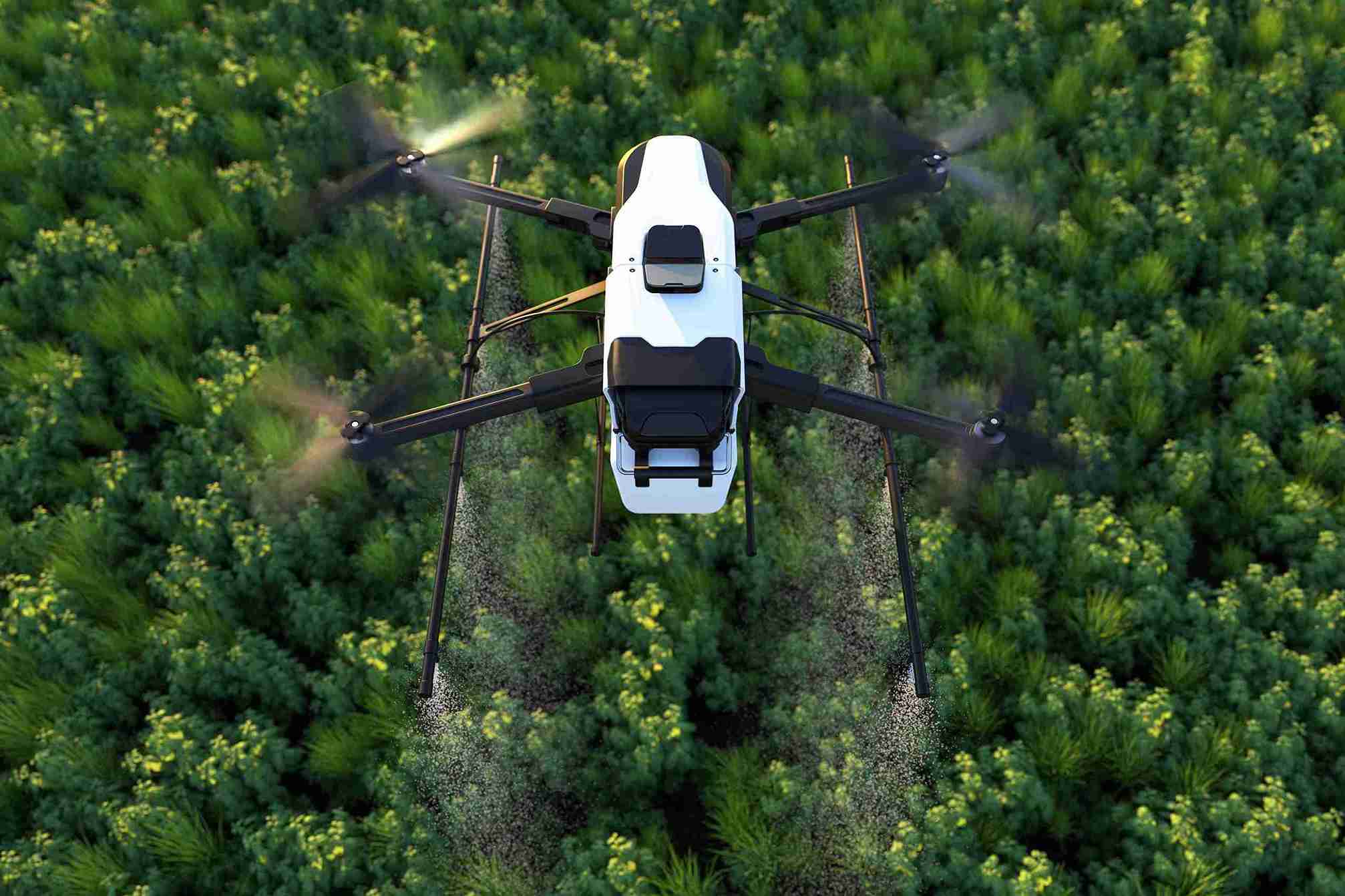
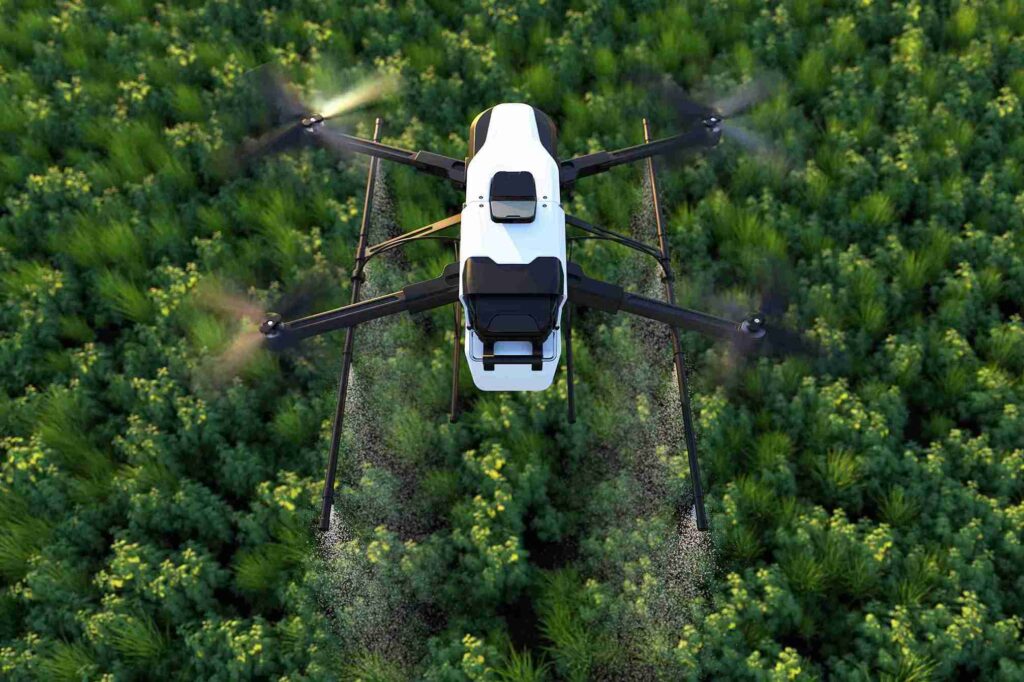
Drone-based crop monitoring used to be reserved for large commercial operations with big budgets. That’s changed. Prices have dropped enough that even mid-sized farms can afford aerial imaging to spot pest infestations, irrigation problems, or disease outbreaks before they spread across an entire field. Catching a problem early, when it’s still contained to a small section of crops, can be the difference between a manageable loss and a ruined season.
AI-Powered Yield Prediction
Perhaps the most interesting shift is in prediction. AI models now analyze historical weather patterns alongside live field data to estimate what a harvest will look like months before it actually happens. That gives farmers a much clearer picture for planning — whether that means adjusting planting schedules, negotiating contracts in advance, or deciding how much storage capacity they’ll need.
Automation on the Ground
Autonomous tractors and robotic harvesters were, until recently, mostly experimental — expensive prototypes tested on a handful of large farms. That’s shifting too. As costs come down, these tools are becoming commercially viable for operations that previously couldn’t justify the investment. Labor shortages in agriculture have made this shift even more urgent; automation isn’t replacing farm workers so much as filling gaps that have become harder to fill with people alone.
The bigger story here isn’t any single gadget or app. It’s what all of this adds up to: agriculture is becoming a genuinely data-driven industry, and the farms adapting early are gaining a real efficiency edge over those still relying on tradition alone.
Latest Hearing Aid Technology
Healthcare technology tells a similar story — quiet, incremental improvements that add up to something significant for the people affected. The latest hearing aid technology is one of the clearest examples of this in 2026.
From Simple Amplifiers to Smart Devices
Hearing aids used to be fairly basic: they amplified all sound indiscriminately, whether that sound was a person’s voice or the hum of a refrigerator. That’s changed dramatically. Modern hearing aids now use AI-driven sound processing to distinguish speech from background noise, adjusting in real time depending on the environment. A quiet living room, a crowded restaurant, and a windy street all require different processing, and today’s devices can tell the difference and adapt automatically — something that simply wasn’t possible even a decade ago.
Connectivity Changes Everything
Many current hearing aid models pair directly with smartphones over Bluetooth. That means users can stream phone calls and music straight to their hearing aids, and some models even support real-time translation through companion apps — genuinely useful for travel or for conversations with someone who speaks a different language. This kind of connectivity turns a hearing aid from a purely medical device into something closer to a wearable tech accessory, which also helps reduce the stigma some people feel about wearing one.
Rechargeable Batteries Solve a Real Complaint
For years, one of the most common complaints about hearing aids was the cost and hassle of replacing tiny disposable batteries every week or two. Rechargeable batteries have largely solved that problem. Most current models now come with a charging case, similar to wireless earbuds, making daily use far more convenient and considerably cheaper over the life of the device.
A Bigger Shift: Over-the-Counter Access
Perhaps the most significant change isn’t a piece of hardware at all — it’s a policy shift. Regulatory changes in recent years have opened the door to over-the-counter hearing aids in many markets, meaning people with mild to moderate hearing loss no longer need a specialist visit and a steep price tag to get help. This is a case where technology news and public health policy intersect directly, and it’s the kind of story that often gets buried under flashier headlines even though it genuinely changes lives. Millions of people who previously went without hearing support due to cost or access barriers now have a realistic path to getting help.
The Common Thread: AI Is Everywhere, Quietly
What ties agritech and hearing aid innovation together with the broader wave of technology news is artificial intelligence — not as a marketing buzzword, but as actual infrastructure working in the background.
AI is what makes real-time crop analysis possible. It’s what allows a hearing aid to filter out background noise intelligently. It’s also the same underlying technology powering cybersecurity tools that detect threats faster than human analysts ever could, and cloud platforms that scale automatically based on demand without anyone manually adjusting server capacity.
This is really the pattern worth tracking in any serious look at technology news in 2026: the story isn’t flashy new gadgets anymore. It’s AI quietly moving from “impressive demo” to “everyday infrastructure” across completely unrelated industries — farming, hearing health, finance, retail, and beyond.
Cybersecurity: The Flip Side of Every Advance
Every letest technology story has a companion story about risk, and that’s especially true as AI adoption accelerates. These systems cut both ways. The same AI tools that protect networks by detecting anomalies and flagging suspicious behavior at machine speed are also being studied and adapted by attackers looking for new ways in.
Organizations that adopt AI-powered automation or cloud infrastructure without matching investment in security fundamentals are, in effect, expanding their attack surface without expanding their defenses. This applies just as much to a farm relying on connected sensors as it does to a hospital managing patient data from smart hearing devices — any connected system is a potential entry point if it isn’t properly secured.
This is exactly why credible technology coverage doesn’t stop at reporting on new tools. It also asks the harder, less exciting question: what does this new capability mean for the people responsible for keeping systems and data secure? That question matters just as much for a mid-sized farm adopting sensor networks as it does for a hospital rolling out connected hearing devices.
What This Means If You’re Making Technology Decisions
Whether you’re a farm operator considering a sensor network, a healthcare provider recommending new hearing aids to patients, or a small business owner evaluating automation software, the practical questions are largely the same:
Can you define the problem clearly? Adopting a new technology because it’s trending rarely works out well. Adopting it because it solves a specific, measurable problem usually does. “Everyone is doing AI” is not a strategy. “We’re losing 15% of our irrigation water to inefficient scheduling” is a problem worth solving with technology.
Is your data actually ready? Agritech sensors and AI models are only as good as the data feeding them. A yield prediction model built on incomplete or inconsistent field data will give unreliable results, no matter how sophisticated the underlying AI is. The same principle applies to any AI-driven business tool — garbage in, garbage out still holds true, even in 2026.
Have you budgeted for the people side, not just the technology? This is consistently the most underestimated part of any technology rollout. Training staff, adjusting workflows, and giving people time to get comfortable with new tools all take real time and real budget — and skipping this step is consistently the reason otherwise-good implementations fail, even when the technology itself works exactly as advertised.
Have you considered the security implications upfront, not as an afterthought? Every new connected device, sensor, or platform is a potential entry point. Building security into the plan from day one is far cheaper and far less painful than bolting it on after a breach.
Why Vendor-Neutral Coverage Matters
One thing worth calling out directly: a lot of technology reporting today is quietly funded by the very companies it’s supposed to be evaluating objectively. A “review” of automation software sponsored by that same software company isn’t really a review — it’s an advertisement wearing a review’s clothing.
That’s exactly why editorial independence matters so much when it comes to technology news. Coverage that isn’t tied to vendor sponsorships or paid placements can afford to point out when a tool isn’t worth the hype, or when a policy change (like over-the-counter hearing aid access) matters more than a flashy product launch. Readers trying to make real decisions — about their farm, their business, or their own health — deserve reporting they can actually trust.
Frequently Asked Questions
Is Drovenio a software product I can sign up for? No. Drovenio and its companion site function as an editorial content platform covering AI, automation, and technology topics — not a SaaS tool or dashboard you log into.
How is AI changing agriculture? Through real-time soil and crop sensors, affordable drone monitoring, and AI-based yield prediction, farming is shifting from calendar-based routines to data-driven decision-making.
What’s new in hearing aid technology? Modern hearing aids use AI to filter background noise, connect to smartphones via Bluetooth, use rechargeable batteries instead of disposables, and — thanks to regulatory changes — are increasingly available over the counter without a specialist visit.
Why does vendor-neutral tech reporting matter? Because sponsored reviews and paid placements can quietly bias coverage toward specific products, making independent, unsponsored reporting more reliable for readers trying to make real decisions.
Final Thoughts
The throughline across agritech sensors, smarter hearing aids, AI-driven cybersecurity, and cloud automation is this: technology is becoming less visible and more embedded in everyday life. It’s less about chasing the next headline-grabbing product launch and more about understanding which quiet, incremental shifts are actually changing how industries — and individual lives — operate.
That’s the real value of following in-depth, vendor-neutral technology coverage rather than relying on scattered press releases and sponsored content: you start to see the pattern behind the headlines, not just the headlines themselves. And in a year where AI is reshaping everything from farm irrigation to hearing health, understanding that bigger pattern is far more useful than knowing about any single new gadget.
Pingback: AIEdu in the USA 2026: Best AI Classes Near You in America